Structural engineering services.
Two kinds of work: houses and small buildings in the St. Louis area, and lender reports for manufactured homes across seven states. Each ends the same way: a licensed Professional Engineer puts the answer in writing.
Houses and small buildings
Cracks, walls, framing, and brick, in the St. Louis area.
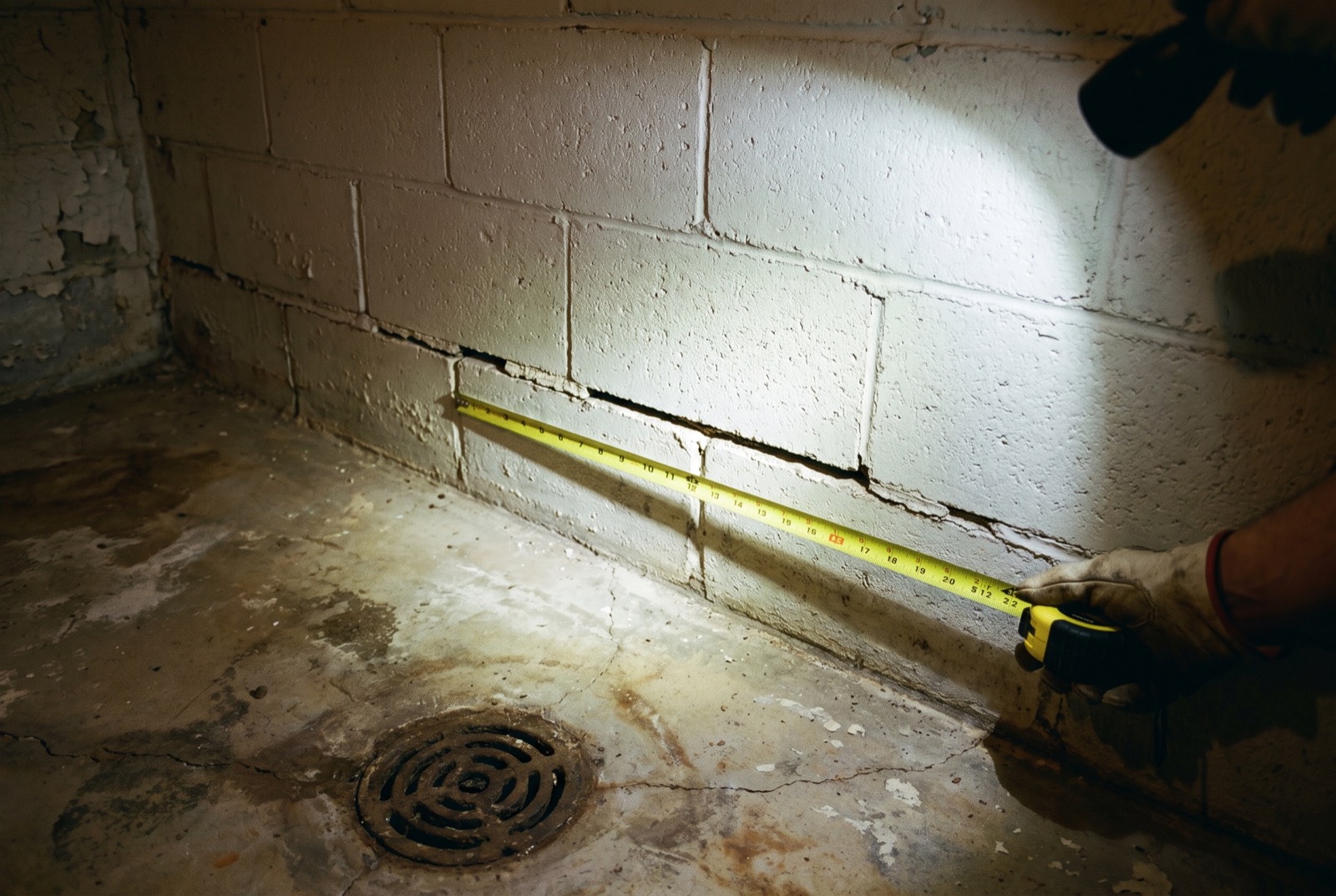
Foundation and basement walls
A structural engineer, before a repair company. The engineer tells you what caused the crack and whether it needs repair at all, and has nothing to sell you either way.
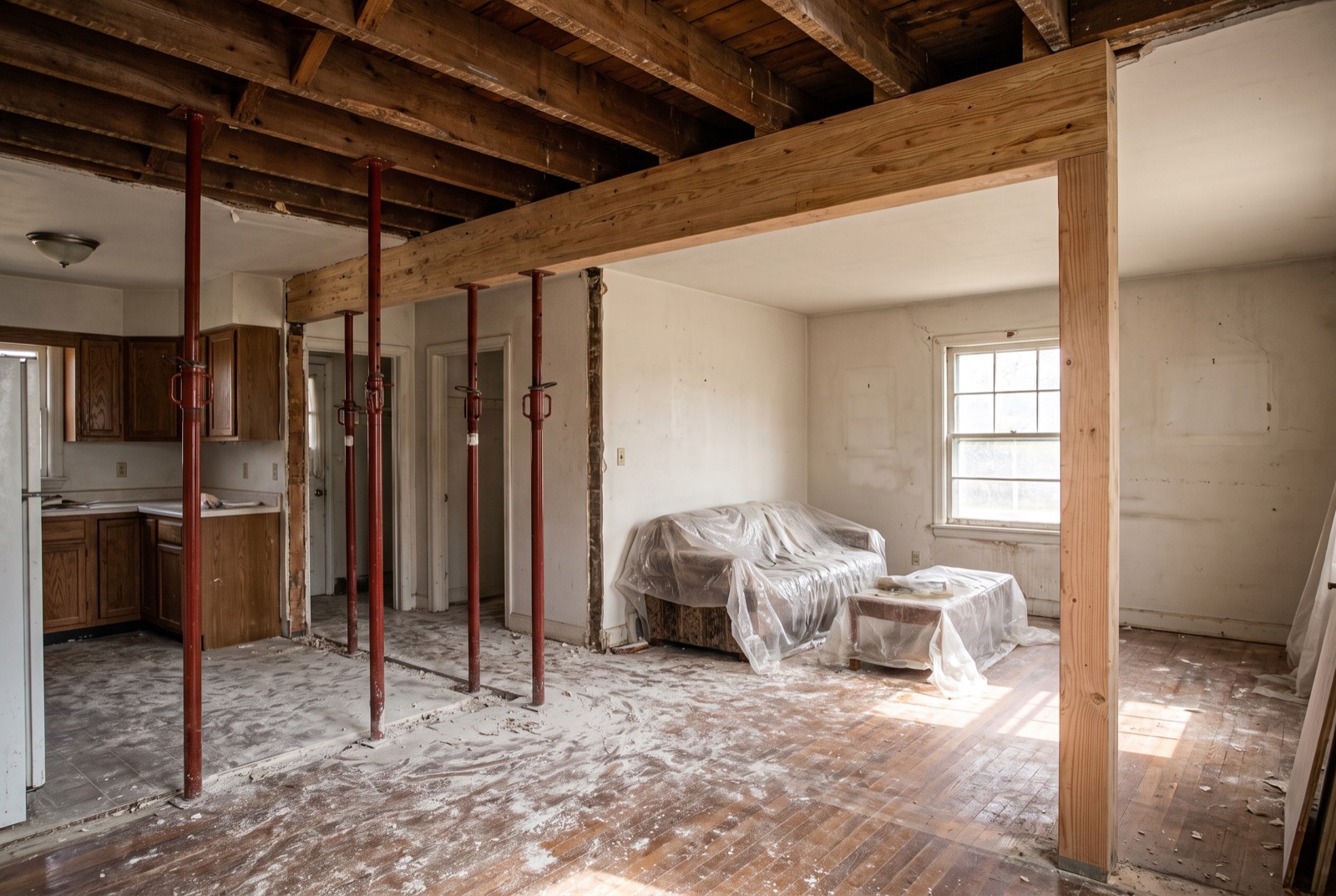
Load-bearing wall removal
If the wall carries load, yes. The engineer sizes the beam and posts and shows how the load gets down to the foundation, which is what a building department reviews and a contractor builds from.
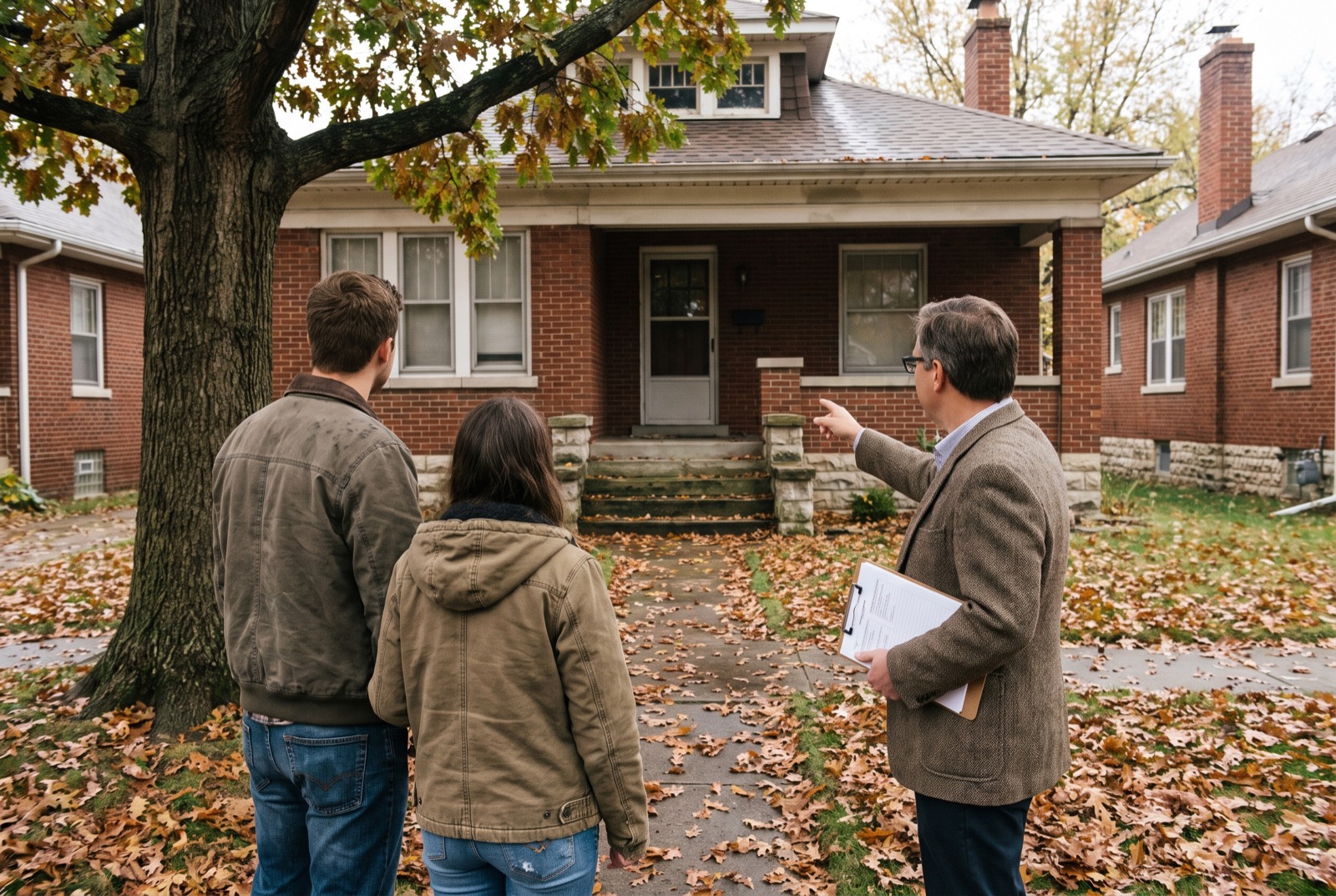
Inspection before you buy
As soon as the home inspection mentions the foundation, framing, or "further evaluation by a structural engineer". Inspection periods are short, so send the address and the inspector's wording the same day.

Damage assessment
The engineer separates what was structurally damaged from what only looks bad, and writes down what has to be repaired or replaced. That report is what an insurer and a contractor both work from.

Stamped engineer letters
Send the exact wording of what you were asked for and the property address. A licensed engineer inspects the item in person and then signs and seals a letter that says what was found.
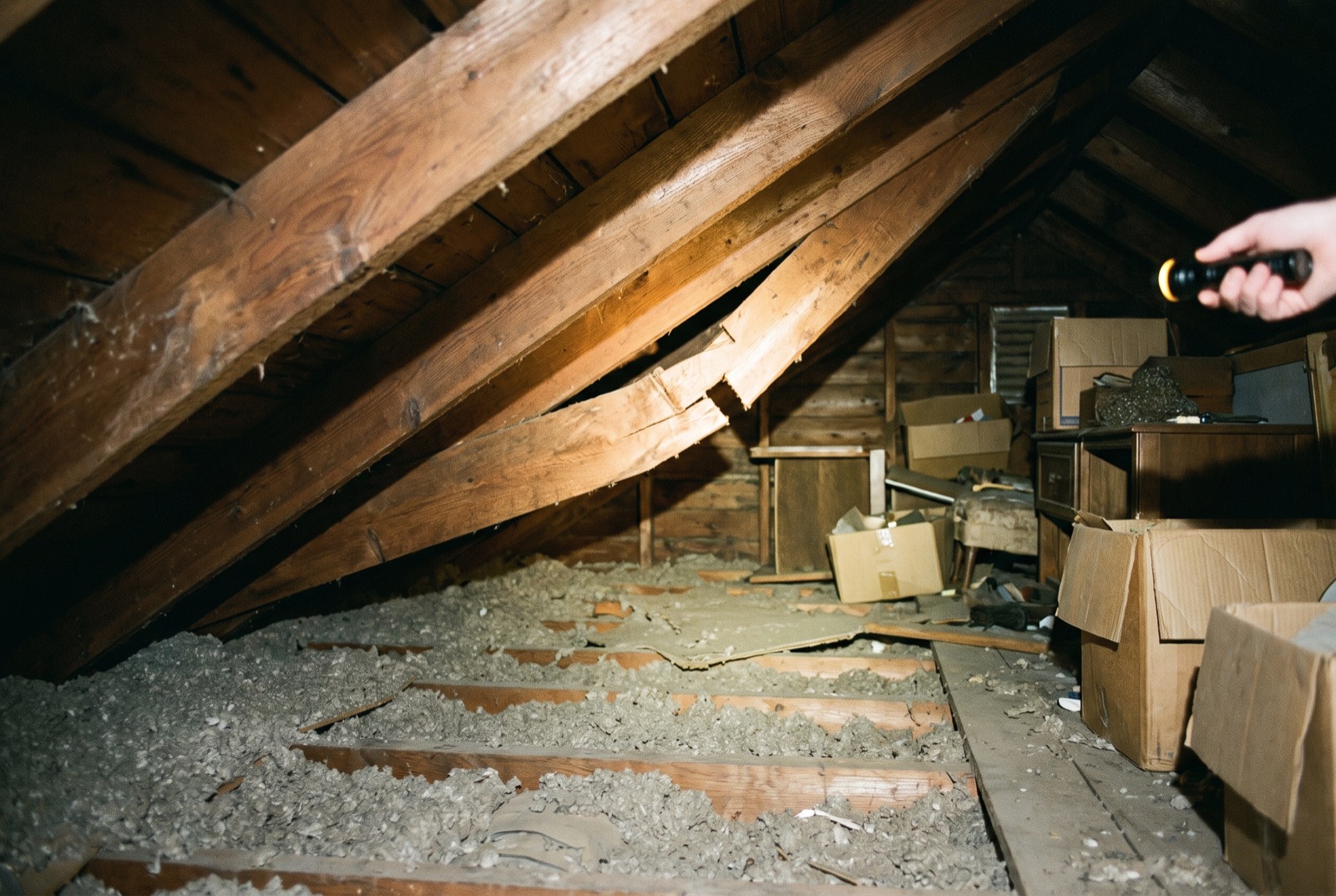
Decks, additions, and roof framing
When it is sagging, has been cut or altered, or is about to carry more than it was built for. The engineer checks whether the framing is adequate and designs the reinforcement if it is not.
Brick and masonry
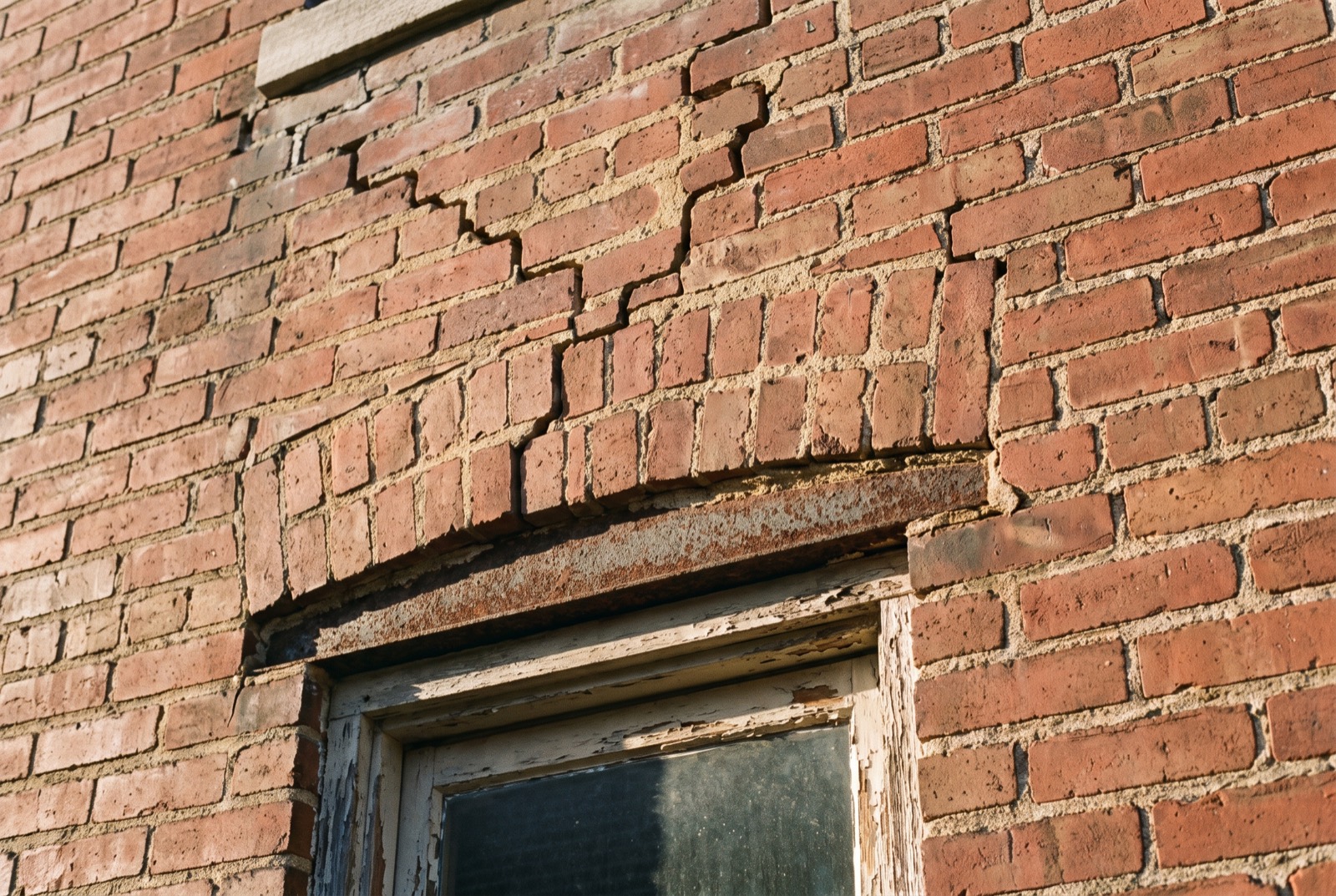
Sometimes. In an older St. Louis house the brick is often the structure, not a veneer, so a bulge or a stepped crack can mean the wall itself is moving. An engineer tells you which it is.
Lenders and manufactured homes
FHA, HUD, and manufactured-home reports for loan and title files, across seven states.
FHA and HUD foundation inspection
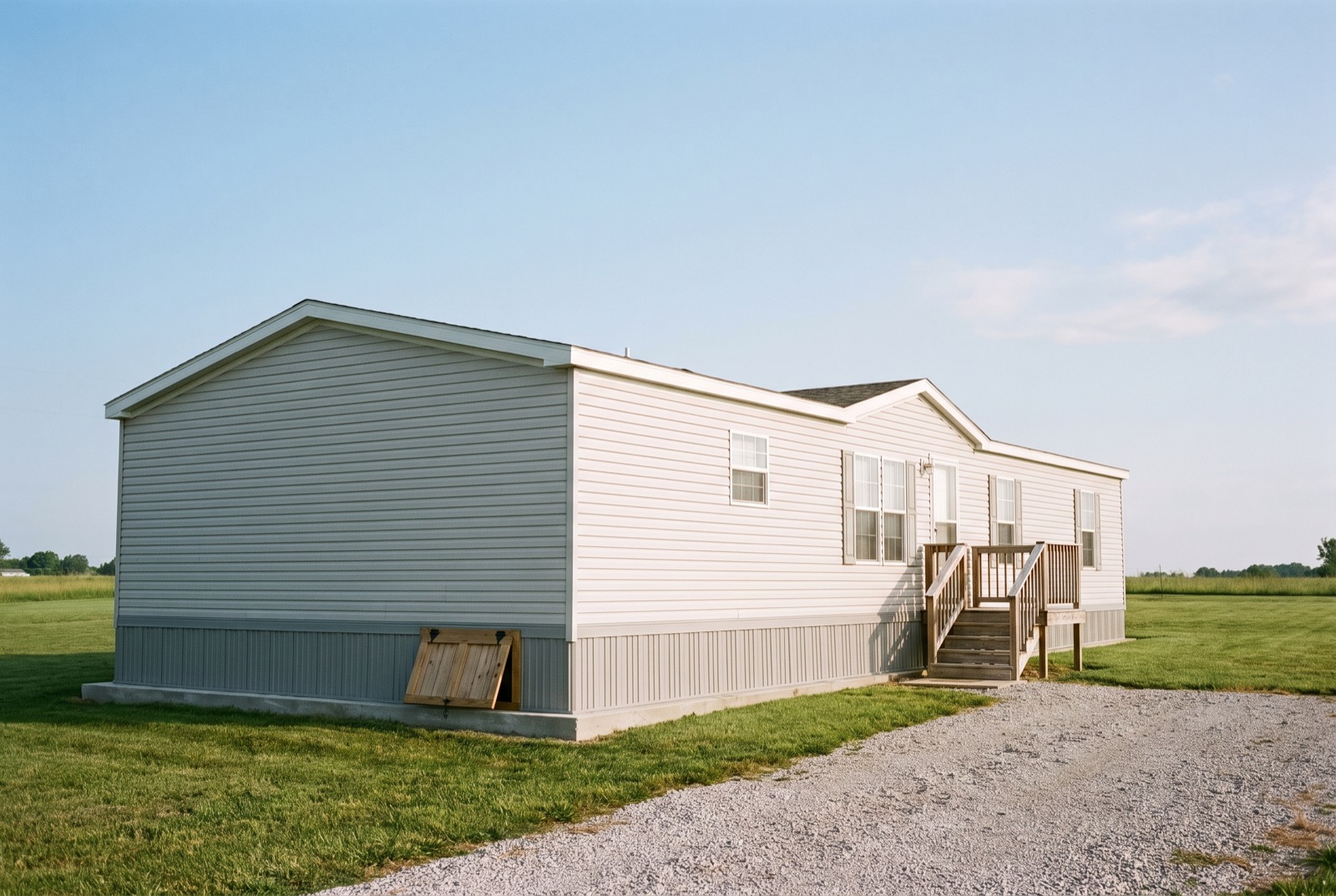
It is an engineer's certification that a manufactured home's foundation meets HUD's Permanent Foundations Guide for Manufactured Housing. FHA lenders ask for it before they lend on a manufactured home, and it has to be signed and sealed by a Professional Engineer licensed in the state where the home sits.
Manufactured home structural inspection
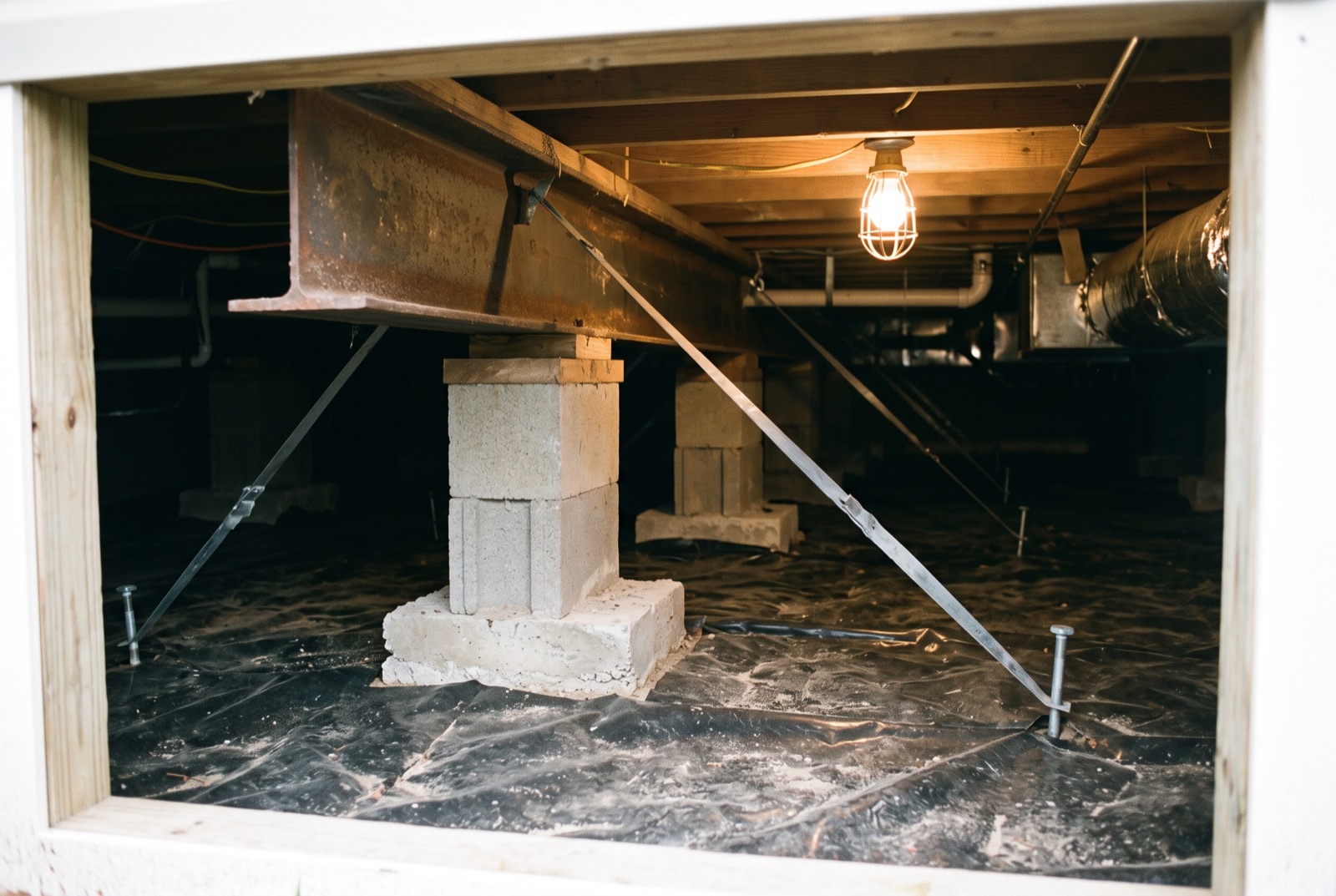
A licensed Professional Engineer. The engineer inspects the home and its foundation system in person and issues a sealed report that the lender, insurer, or buyer can rely on.
Permanent foundation certification
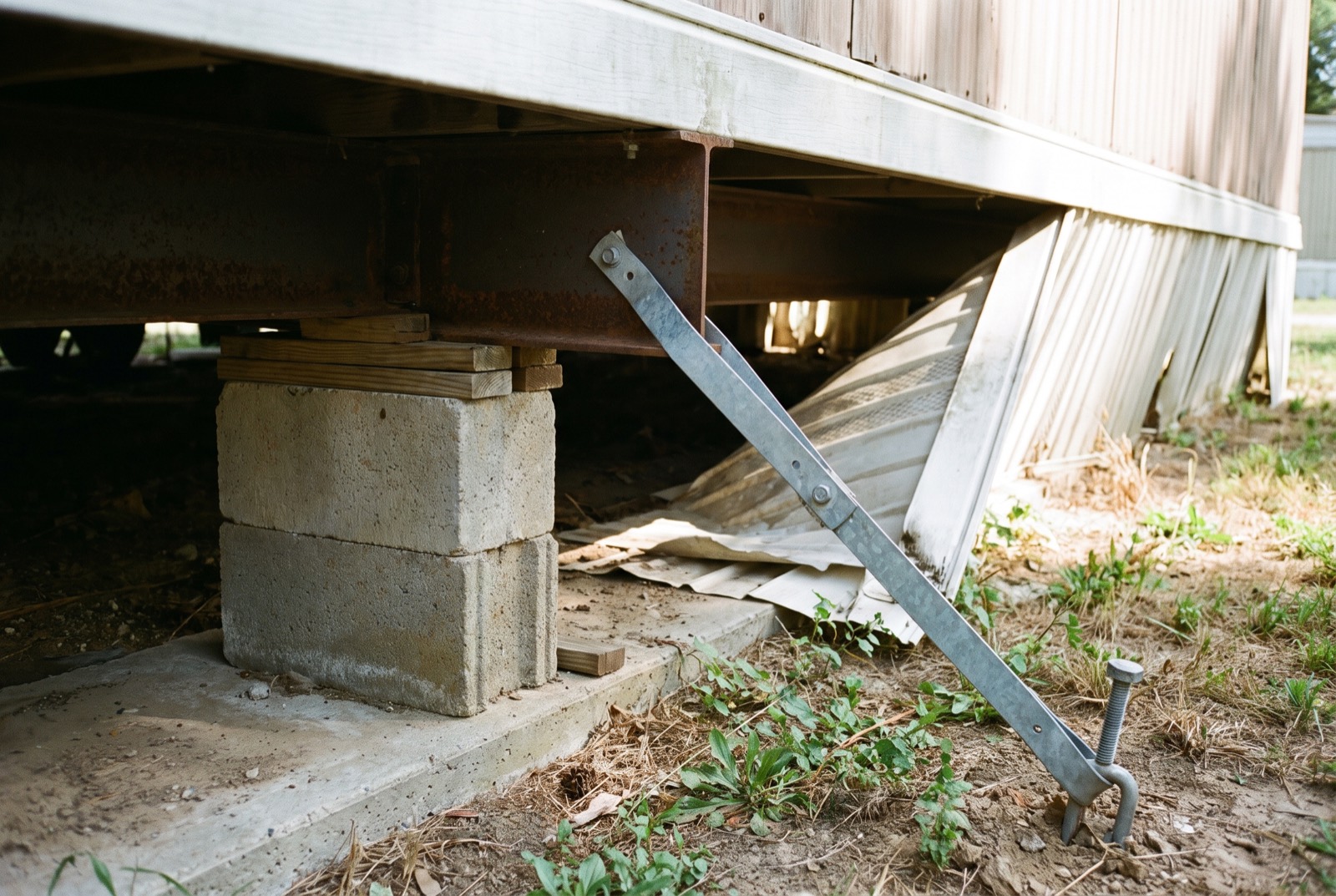
It is a Professional Engineer's sealed statement that a manufactured home sits on a permanent foundation as HUD's Permanent Foundations Guide for Manufactured Housing describes one. Lenders ask for it on a loan, and title teams ask for it when a home is being converted from personal property to real property.
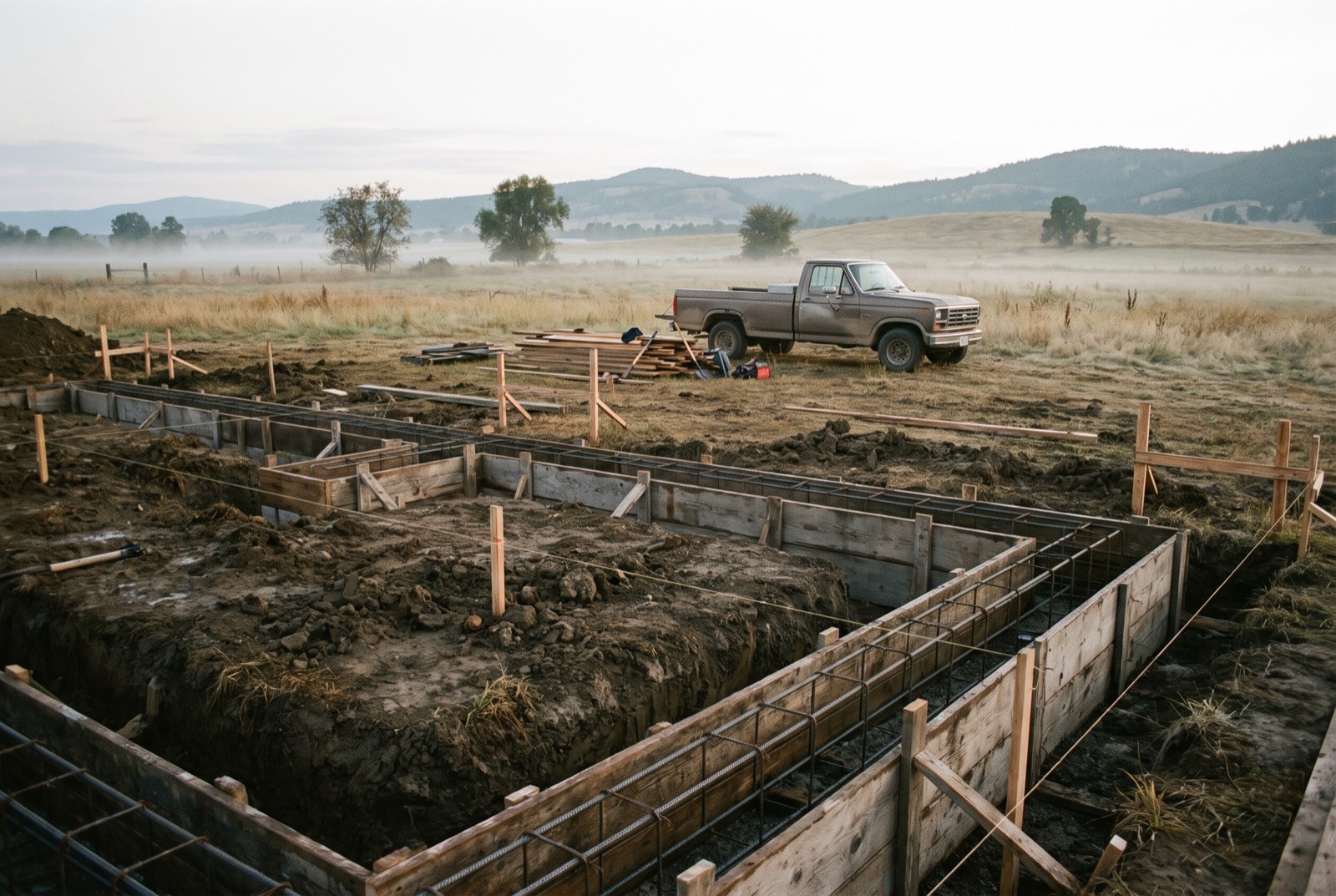
FHA new construction inspections
When the jurisdiction does not issue a building permit and a certificate of occupancy. The lender then needs three inspections, at footing, framing, and final, each written up on a HUD-92051 Compliance Inspection Report.
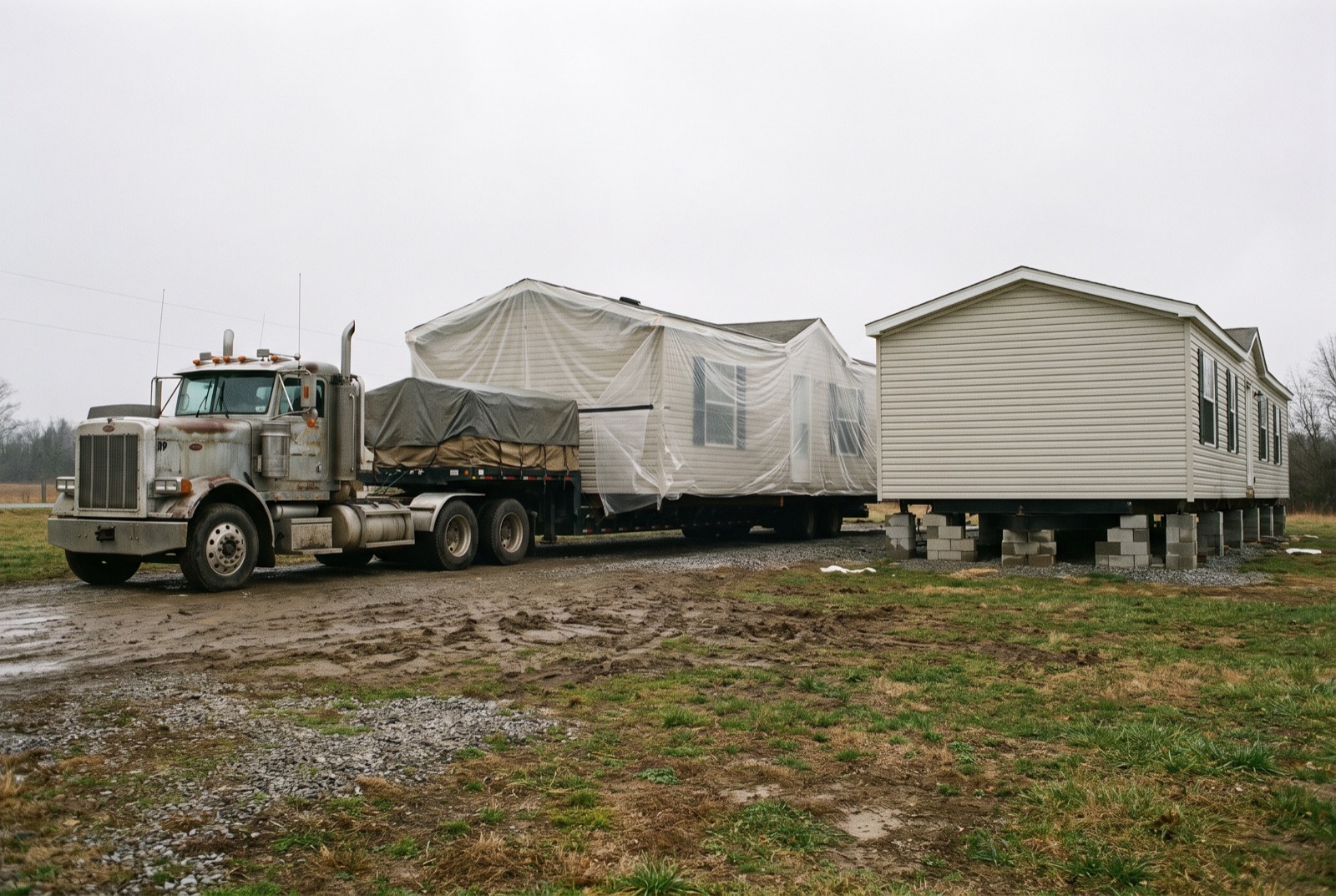
Moved manufactured home report
Usually a structural integrity inspection after the move, made by a licensed Professional Engineer at the home's current site. The report documents whether the home was damaged or weakened in transit and how it is installed now.
Not sure which one you need?
Send the address and a few details. A licensed engineer replies within one business day.