Structural damage assessment.
After water, fire, a vehicle strike, a fallen tree, or a storm.
Request this service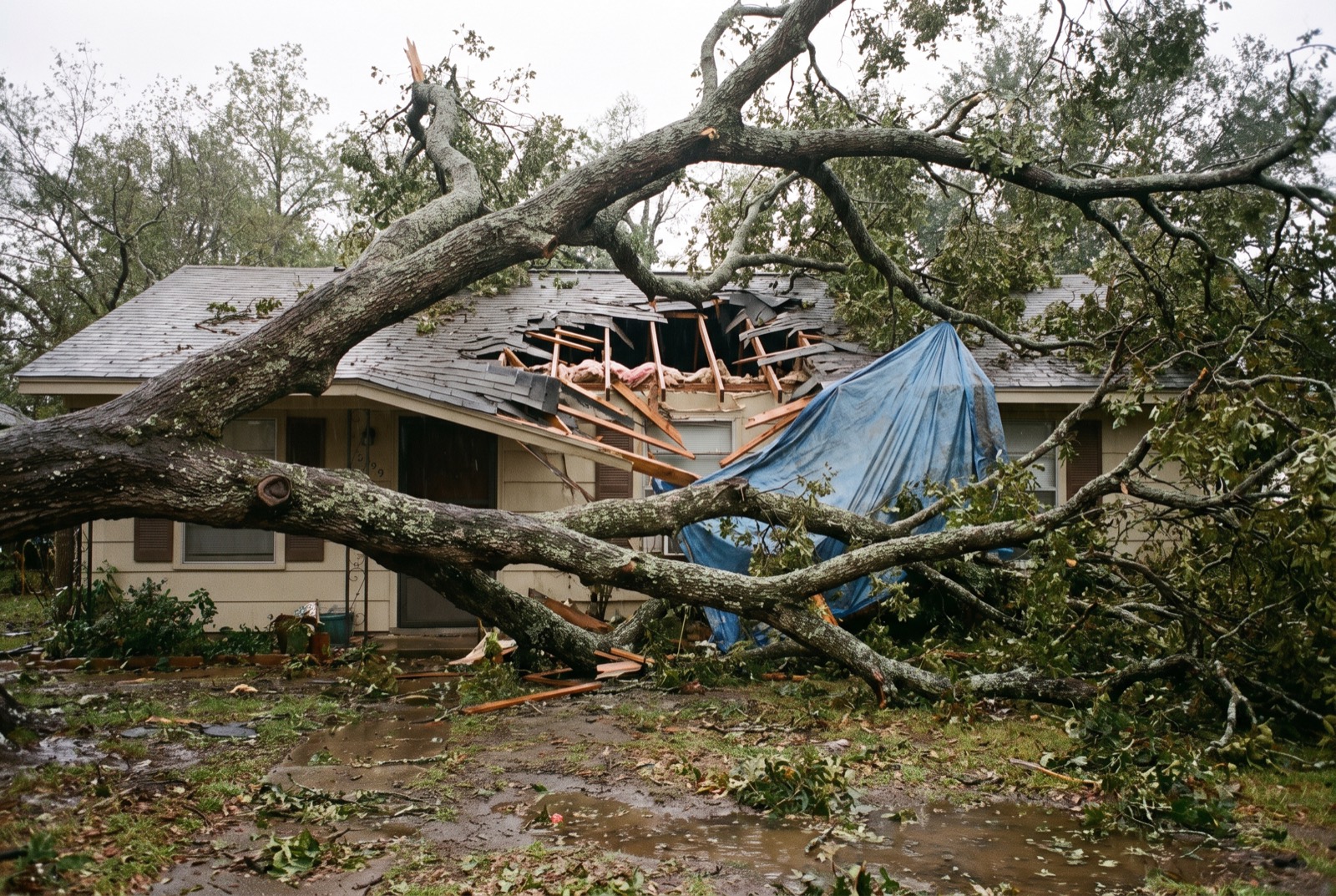
What does an engineer do after a house is damaged?
The engineer separates what was structurally damaged from what only looks bad, and writes down what has to be repaired or replaced. That report is what an insurer and a contractor both work from.
When you need it
- A tree or vehicle hit the house
- A fire reached the framing
- Long-term leaks or flooding soaked beams, joists, or walls
- An adjuster or contractor asked for an engineer's report
- 1Broken or burned framing
- 2Load still coming down from above
- 3Temporary shoring
What the engineer looks at
- Framing that was burned, soaked, cracked, or knocked out of place
- Whether loads are still reaching the foundation the way they should
- Hidden damage near the obvious damage
- Whether temporary shoring is needed now
- What can be repaired in place and what must be replaced
What you get
- A written report with photos of what was observed
- The structural repairs required, item by item
- Shoring recommendations when the building needs support
- A document you can give your insurance adjuster and contractor
Common questions
Do you work for the insurance company?
No. You hire the engineer and the report is yours. It states what was observed and what repair the structure needs.
Is it safe to stay in the house?
If you have any doubt, stay out of the damaged area and call. The engineer tells you on site what needs support and what does not.
Can the report say what caused the damage?
It states the engineer's opinion on the cause where the evidence supports one, and says so plainly where it does not.
Read first
Sagging floors and sticking doors: what they meanWhat sloping floors, bounce and sticking doors can mean, and when they need an engineer.
What is a stamped engineer letter?What a signed and sealed engineer letter is, and who asks for one.
Structural engineer vs home inspector: which do you need?What each professional does, and when a home inspection is not enough.
Related services
Foundation and basement wallsCracks, bowing or leaning walls, settlement, and sloping floors.
Stamped engineer lettersThe signed and sealed letter a building department, lender, or contractor asked for.
Decks, additions, and roof framingFraming reviews and designs for decks, porches, additions, and sagging roofs.