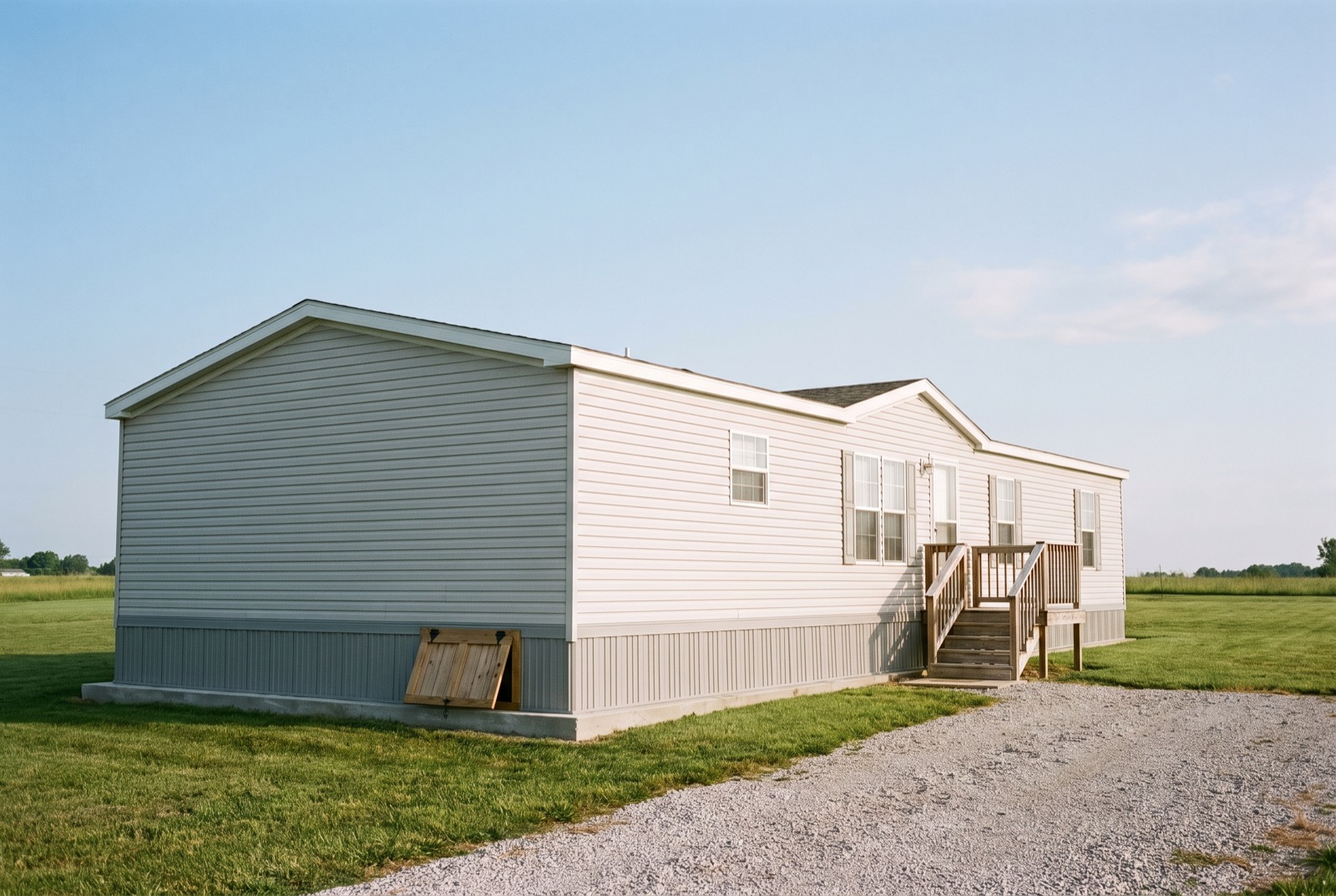
What are the HUD-92051 inspections for FHA new construction?
Form HUD-92051 is the Compliance Inspection Report an FHA lender uses to document an inspection of new construction. Where the jurisdiction issues no building permit and no certificate of occupancy, the file needs three of them: one each for the footing, framing, and final inspections.
When does a file need three inspections?
When the local jurisdiction does not issue a building permit and a certificate of occupancy. In most towns the lender simply collects copies of both. In a county or small town with no building department there is nothing to collect, so the three inspections stand in their place.
- Footing, before the concrete is poured.
- Framing, before insulation and drywall cover the structure.
- Final, when construction is complete.
This comes up most often on rural lots.
What does one report show?
One form covers one visit. It identifies the property, states which stage was inspected, and reports whether the work observed complies or needs correction. Three stages produce three reports in the lender's file.
The form documents inspections only. The appraisal, the builder's certification, and the warranty documents are separate items.
Who can complete the inspections?
FHA looks first to the local authority or to an ICC-certified Residential Combination Inspector or Combination Inspector. Where none is available, the lender may accept a registered architect or a structural engineer. Your lender makes that call, and some add their own rules, so ask your loan officer to confirm in writing who the file can use.
Our reports are issued in Missouri, Arkansas, Illinois, Kansas, Iowa, Nebraska, and Indiana, and the engineer who signs holds a license in the state where the house sits.
Why call before the footing is poured?
Two of the three stages get covered as the build goes on. Footing reinforcement disappears under concrete, and framing disappears behind insulation and drywall. An inspector can only report on what can be seen on the day of the visit.
Arrange the inspections before breaking ground and share the builder's schedule so the footing visit happens before the pour.
What if the house is already built?
The footing and framing stages cannot be inspected after the fact, and an engineer cannot sign for work that was never observed. Send your lender's condition and the current stage of construction. The lender decides which documentation path the file can use. See what is a HUD engineering report if your property is a manufactured home instead.
Our FHA new construction inspections service covers all three stages.
What should you send us?
Send the build address, the plans, the builder's schedule and your lender's condition. We reply within one business day.